Navigating the Storm: Secretary Noem's Stance on Immigration Enforcement
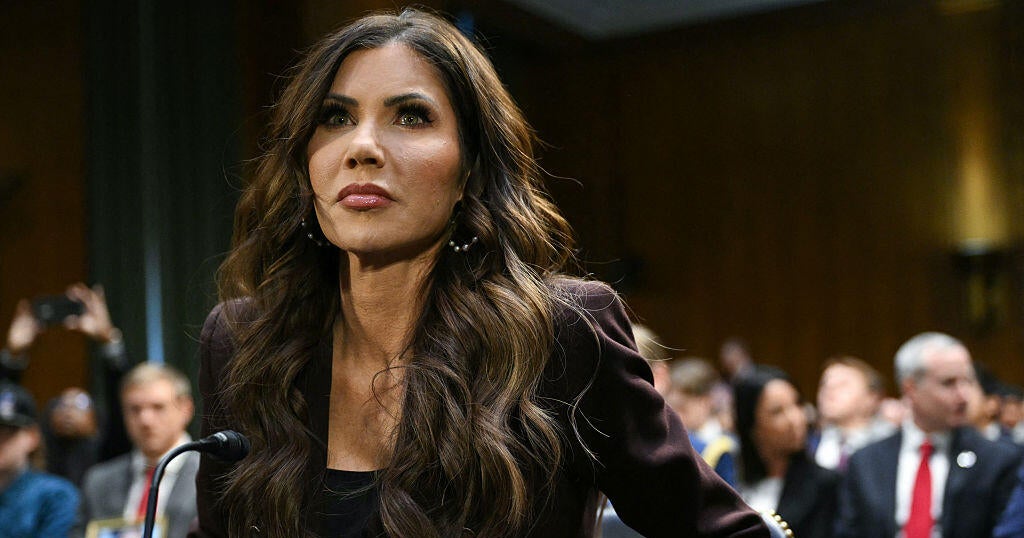
In a tense and highly anticipated appearance before the Senate Judiciary Committee, Homeland Security Secretary Kristi Noem staunchly defended her department's aggressive immigration enforcement tactics. This congressional hearing marked her first since the controversial shooting deaths of two protesters by federal officers in Minneapolis, an incident that ignited widespread opposition and scrutiny of the Trump administration's mass deportation agenda. Secretary Noem faced a barrage of criticism from Democratic senators, who accused her of wrongly disparaging the deceased protesters and mismanagement of her department's operations. Despite the intense grilling, Noem held firm, presenting a robust defense of her agency's actions and the officers on the front lines.
The hearing, which stretched for nearly five grueling hours, served as a crucial platform for Noem to articulate her department's perspective amid mounting pressure. Her testimony underscored the administration's unwavering commitment to its immigration policies, even as it continues to grapple with congressional challenges and public backlash. The core of her defense centered on the necessity of enforcing federal law, protecting her officers, and ensuring national security – themes that resonated throughout her exchanges with committee members.
Addressing the Minneapolis Controversy: Explanations, Not Apologies
Central to the committee's questioning was Secretary Noem's previous characterization of the two individuals killed in Minneapolis earlier this year. Renee Good and Alex Pretti, both U.S. citizens, were shot during protests against federal immigration activities. Noem had initially portrayed them as "agitators," a description that was swiftly contradicted by accounts from local officials and bystander video, sparking considerable public outrage and calls for clarification.
During the hearing, Senator Peter Welch, D-Vermont, directly pressed Secretary Noem, asking if she would apologize to the families of Good and Pretti for her statements, particularly for characterizing them as involved in domestic terrorism. In a moment that encapsulated the political tightrope she walked, Noem blamed chaos for Minneapolis protestor portrayals, explaining that she was working with information received from field agents during a tumultuous period. While she did not issue a direct apology for her initial characterization, she did offer her condolences.
"I certainly offer my condolences to these families for their loss," Noem stated. "It’s a tragic situation that we saw in Minneapolis. We continue to work to..." This nuanced response indicated that while she recognized the tragedy, Noem refuse excuses for the basis of her original comments, instead framing them within the context of a chaotic operational environment and the fog of rapidly unfolding events. This approach highlighted a key aspect of her leadership: a steadfast defense of her department and its personnel, even when facing intense personal and political criticism.
The controversy surrounding the Minneapolis incident serves as a stark reminder of the challenges in disseminating accurate information during high-stakes operations. For citizens, understanding the timeline of information release and subsequent clarifications from government officials is vital. It prompts a deeper look into how initial reports, even if later contradicted, can shape public perception and political discourse.
The Department's Perspective: Protecting Officers Amid Escalating Threats
Beyond the specific events in Minneapolis, Secretary Noem’s testimony painted a broader picture of a department under siege. She dedicated significant portions of her appearance to defending her agency's treatment of immigrants involved in enforcement activities and, crucially, to highlighting the perils faced by her officers. Noem argued that her department’s personnel, particularly Immigration and Customs Enforcement (ICE) officers, operate in an increasingly hostile landscape.
"I want to address the dangerous environment that our ICE officers face on the streets today," Noem asserted. "They are facing a serious and escalating threat as a result of deliberate mischaracterizations of their heroic work and rhetoric that demonizes our law enforcement." She directly attributed attacks against officers to "activists and others," suggesting a concerted effort to undermine their authority and safety.
This perspective underscores a critical tension in the immigration debate: the balance between enforcement and human rights. Law enforcement agencies often emphasize the difficulties and dangers inherent in their work, arguing that public criticism and protest can translate into real threats to officers. Conversely, civil liberties advocates contend that aggressive enforcement tactics and a lack of transparency contribute to public mistrust and fuel community resistance. The "demonization" rhetoric, while effective in rallying support for law enforcement, also risks further polarizing an already deeply divided issue. Understanding both sides of this argument is crucial for anyone seeking to engage meaningfully with immigration policy.
Beyond Minneapolis: The Broader Strategy of Immigration Enforcement
While Minneapolis dominated much of the initial questioning, Secretary Noem's testimony also provided insights into the broader scope of her department's ongoing immigration strategy. Since the tragic deaths, the administration has taken some steps aimed at de-escalating tensions, including drawing down parts of the operation in Minneapolis. However, Noem clarified that these adjustments do not signal a retreat from the administration's core policies.
Instead, her department has continued pressing aggressive restrictions against both legal and illegal immigration. This includes a concerted effort to expand infrastructure for detention, with the administration actively buying up warehouses across the country for immigration detention purposes. Federal enforcement remains robust in various areas, demonstrating a sustained commitment to the mass deportation agenda that has been a centerpiece of President Trump's second term. Noem also specified that approximately 650 investigators remain in Minnesota, engaged in a broader fraud probe, indicating that while the protest-related operations may have scaled back, enforcement activities persist.
The department's immigration tactics have ignited a fierce clash in Congress over its routine funding. The issue remains unresolved, despite a significant infusion of cash granted by a spending bill passed last year to support the administration's mass deportation policy. Noem squarely blamed Democrats for what she called a "reckless" partial shutdown, asserting that their actions put national security at risk. This funding dispute highlights the deep partisan divisions and the high stakes involved in shaping the nation's immigration landscape. The Senate grills Noem on ICE tactics & protestor controversy, revealing the ongoing battle for the department's resources and operational mandate.
Furthermore, Noem's appearance before the Judiciary Committee also occurred against the backdrop of a weekend shooting at a Texas bar, which was being investigated as a possible act of terrorism. This incident fueled concerns that the escalating conflict in Iran could have wider repercussions for security within the U.S., linking immigration enforcement directly to broader national security imperatives. This demonstrates the multifaceted challenges faced by the Department of Homeland Security, which must navigate not only internal policy debates but also external geopolitical threats.
Looking Ahead: The Ongoing Debate and Its Implications
Secretary Kristi Noem's appearance before the Senate Judiciary Committee was a definitive statement of her leadership and the administration's resolve on immigration enforcement. Her firm stance, characterized by a refusal to concede ground on policy or accountability for her officers, signals a determined approach that prioritizes national security and border control above all else. This posture, while reassuring to some segments of the electorate, continues to draw sharp criticism from others who advocate for more humane policies and greater accountability.
The debates surrounding immigration are unlikely to abate. As Congress grapples with funding, and as communities across the nation continue to experience the direct impacts of these policies, the tension between enforcement, humanitarian concerns, and political will remains a defining feature of the American landscape. Secretary Noem's testimony serves as a clear indicator that her department, under her leadership, is prepared to stay the course, consistently defending its actions and refusing to back down from its mission, regardless of the criticism it faces.